Here's the blog content:
Title: 5 Healthy Cooking Methods You Should Know
Slug: 5-healthy-cooking-methods-you-should-know
Excerpt: The way you cook your food matters just as much as what you cook. Discover 5 healthy cooking methods that preserve nutrients, reduce oil and help you eat better every day without sacrificing taste.
Content:
Most people focus on eating healthy ingredients but forget that the cooking method can make or break the nutritional value of a meal. High heat, excess oil and wrong techniques can destroy vitamins, increase calories and even create harmful compounds in your food.
The good news is that cooking healthy does not mean eating bland food. With the right methods and the right appliances, you can make delicious, nutritious meals every single day.
Here are 5 healthy cooking methods you should know and start using in your kitchen.
1. Steaming — The Healthiest Method of All
Steaming is widely considered the healthiest way to cook food. Because the food never touches water directly, it retains most of its vitamins, minerals and natural colour.
Why it works:
Boiling vegetables causes water-soluble vitamins like Vitamin C and B vitamins to leach out into the cooking water, which is then discarded. Steaming avoids this entirely.
Best for:
Vegetables like broccoli, carrots, beans, cauliflower and spinach
Fish and seafood
Idli, dhokla and other fermented foods
Eggs
Tips:
Do not over-steam. Vegetables should remain slightly firm and bright in colour. Overcooked steamed food loses both nutrients and taste.
You can steam effectively on a regular gas stove using a steamer basket or a simple plate placed inside a covered pot with a little water at the bottom.
2. Pressure Cooking — Fast, Nutritious and Fuel Efficient
Pressure cooking is one of the most practical healthy cooking methods for Indian kitchens. Food cooks under high pressure which significantly reduces cooking time and therefore preserves more nutrients compared to long boiling methods.
Why it works:
Shorter cooking time means less exposure to heat, which means more nutrients are retained in the food. Pressure cooking also requires little to no added oil, making it naturally low in fat.
Best for:
Dal, rajma, chana and other legumes
Rice and khichdi
Soups and stews
Tough vegetables like beetroot and raw banana
Tips:
Do not overcook — follow the correct number of whistles for each ingredient. Releasing pressure naturally rather than forcing it open also helps retain moisture and nutrients in the food.
A good quality pressure cooker on a powerful gas stove can cook most Indian meals in a fraction of the usual time.
3. Sautéing — Quick Cooking with Minimal Oil
Sautéing means cooking food quickly in a small amount of oil over medium to high heat while stirring or tossing continuously. When done correctly, it is a healthy and flavourful cooking method.
Why it works:
Because sautéing is fast, the food spends minimal time in heat and retains texture, colour and most of its nutrients. Using just a teaspoon or two of oil keeps the calorie count low.
Best for:
Vegetables, paneer and mushrooms
Chicken and prawn stir fries
Quick breakfast items like poha or upma base
Garlic, onion and spice bases for curries
Tips:
Always preheat the pan before adding oil. This prevents food from absorbing excess oil. Use a wide flat pan so all ingredients cook evenly. Do not overcrowd the pan — cook in batches if needed.
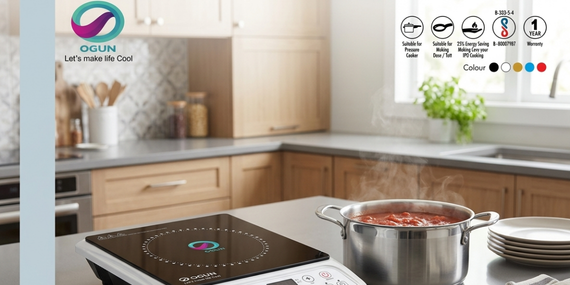
An induction cooker or infrared cooker is excellent for sautéing because the heat is instant, precise and easy to control at different levels.
4. Grilling — Great Taste with Less Fat
Grilling uses direct dry heat to cook food. The high heat seals the outside of the food quickly, locking in flavour and juices while excess fat drips away naturally. This makes it one of the leanest cooking methods available.
Why it works:
Unlike frying where food absorbs oil, grilling requires little to no added fat. The natural fats in meat, fish and paneer are enough to keep the food moist and delicious.
Best for:
Chicken, fish and mutton
Paneer tikka and tofu
Corn, capsicum, zucchini and mushrooms
Kebabs and seekh
Tips:
Marinate your protein for at least 30 minutes before grilling. This adds flavour and tenderises the food without needing extra oil or heavy sauces. Avoid charring food completely black as burnt areas can contain harmful compounds.
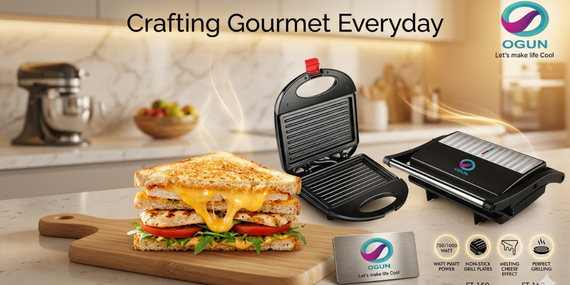
An electric grill or sandwich griller from Ogun makes indoor grilling easy, clean and mess-free without needing an outdoor barbecue setup.
5. Slow Cooking — Deep Flavour, Maximum Nutrition
Slow cooking uses low heat over a long period of time. This gentle method breaks down tough ingredients, develops deep flavour and keeps nutrients intact because the food is never exposed to aggressively high temperatures.
Why it works:
Low and slow cooking preserves delicate vitamins and minerals that would otherwise break down under high heat. It also draws out the natural collagen from bones and connective tissue, creating broths and gravies that are deeply nourishing.
Best for:
Bone broth and soups
Mutton, chicken and beef curries
Dal makhani and slow cooked lentils
Vegetable stews and porridge
Tips:
Use a heavy bottom pot with a tight lid to trap steam and flavour. Keep the flame on the lowest setting. Stir occasionally and add water if needed. The longer it cooks, the richer and more flavourful the dish becomes.
A good quality gas stove with a brass burner and stable low flame control is ideal for slow cooking because you can set it to a very gentle simmer and leave it without worry.
Comparing the 5 Methods at a Glance
Steaming — Oil needed: None. Nutrient retention: Excellent. Best for: Vegetables, fish, idli.
Pressure Cooking — Oil needed: None to minimal. Nutrient retention: Very good. Best for: Dal, legumes, rice.
Sautéing — Oil needed: Minimal. Nutrient retention: Good. Best for: Vegetables, stir fry, quick meals.
Grilling — Oil needed: None to minimal. Nutrient retention: Good. Best for: Meat, paneer, vegetables.
Slow Cooking — Oil needed: Minimal. Nutrient retention: Very good. Best for: Curries, broths, stews.
The Right Appliance Makes a Big Difference
Healthy cooking becomes much easier when you have the right tools. A reliable gas stove with precise flame control lets you simmer, sauté and slow cook perfectly. An induction or infrared cooker gives you exact temperature control for grilling and stir frying without the risk of overheating.
At Ogun, our range of gas stoves, induction cookers and infrared cookers are designed to support every cooking method — so you can eat healthier without changing the food you love.
Final Thoughts
Eating healthy starts in the kitchen. Simply switching from deep frying to sautéing, or from boiling to steaming, can significantly improve the nutritional quality of your everyday meals. You do not need to change your entire diet — just change the way you cook it.
Start with one method this week and notice the difference in how your food looks, tastes and makes you feel.